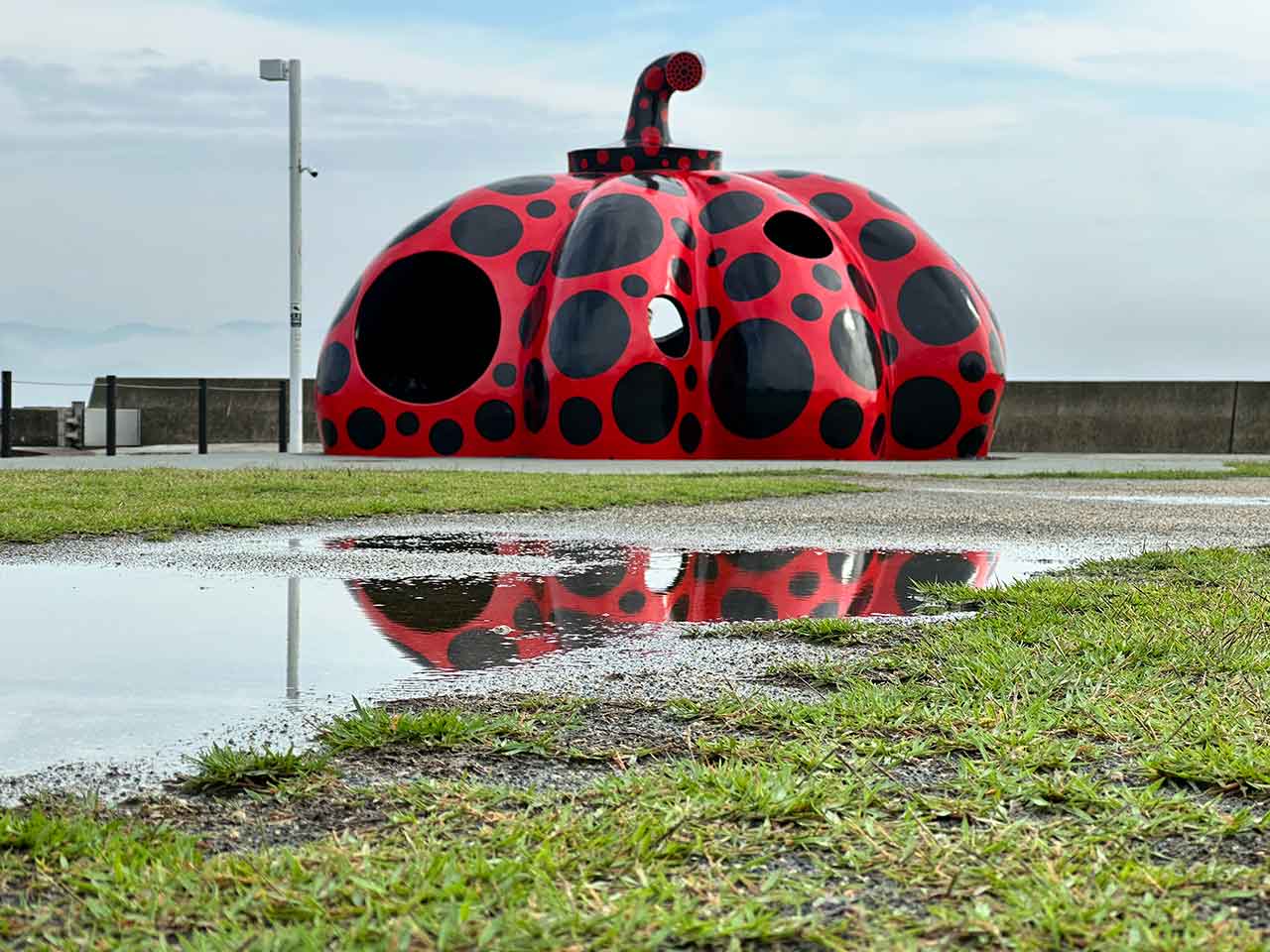
Six months of unemployment benefits and immersion in English
Unemployment benefits began in October.
For the next six months, I didn't actively look for work, but instead spent my days immersed in studying English.
"What I can do now is to improve my English as much as possible in the next six months" -- that thought alone drove me every day.

I went from library to library, poring over the official TOEIC workbooks from morning until night.
Sakaide City, Iiyama Town, Utazu, Takamatsu, Zentsuji... the same study materials were always on my desk.
On listening days, I used a portable CD player, and on reading days, I simply scanned the English texts.
Over the course of six months, I solved over 10 workbooks and took the exam twice. I scored 550 points the first time and 645 points the second time.
Seeing my efforts reflected in numbers made me feel like my future was just a little brighter.
My encounter with "employability"
One day, I came across a book in a bookstore.
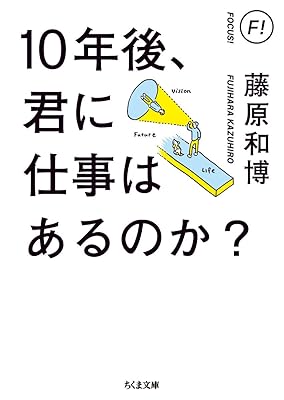
It was "Will You Have a Job in 10 Years?" written by former Recruit employee Kazuhiro Fujiwara.
In it, he wrote, "What's needed in the coming age is the ability to be employed." In
other words, the idea is that the future of work will be about having the versatility to utilize your skills in any environment.
With each page I turned, I felt something stir deep in my heart.
For many years, I had been tied to a "job" creating advertisements within a company.
However, I realized that from now on, I needed to become "someone who can thrive in any environment."
 Pochip
The day I started looking for a job that uses English
The unemployment benefit system requires that you apply for jobs regularly.
So, from among several job offers, I applied for a PR position at a leisure facility in the prefecture.
The interview went smoothly, and I was eventually hired.
However, when I asked the interviewer, "How many customers do you get from overseas?", I got the answer, "Most of them are from Asia."
thought
, "Maybe this isn't quite right..." I no longer wanted to go back to a job that only deals with local people.
Since I had spent six months studying English, I wanted to try a job where I could actually use English.
"That's right, there's Naoshima."
While browsing job sites, the first thing that came to mind was Naoshima, an island in the Seto Inland Sea.
"That's right, there's a place in Kagawa that's connected to the world, isn't there?"
I thought. However, at the time I knew almost nothing about Naoshima. I
knew it as an island of art, but I had no idea that it attracted many tourists from overseas.
But as I continued to research, something began to take shape within me.
The job listings for Benesse House Museum listed positions such as
"museum security officer," "museum guide," and "helping foreign visitors" -- jobs that would allow me to use my English.
And what's more, it was in Kagawa Prefecture, a place visited by people from all over the world. It seemed like the perfect workplace.
Age 38, decision to become a part-time staff member
However, there was one thing that bothered me:
the words "Employment type: Part-time work."
Working part-time at age 38—to be honest, it took a lot of courage.
I had previously received a job offer for a public relations position at a leisure facility, but it was a full-time position. I had to make the decision to give up stability.
But I overcame my doubts.
"Rather than protecting my career, I want to broaden my future."
"If I can become someone who can 'use' English, the next door will surely open up."
Believing this, I pressed the apply button.
Departure for a new sea
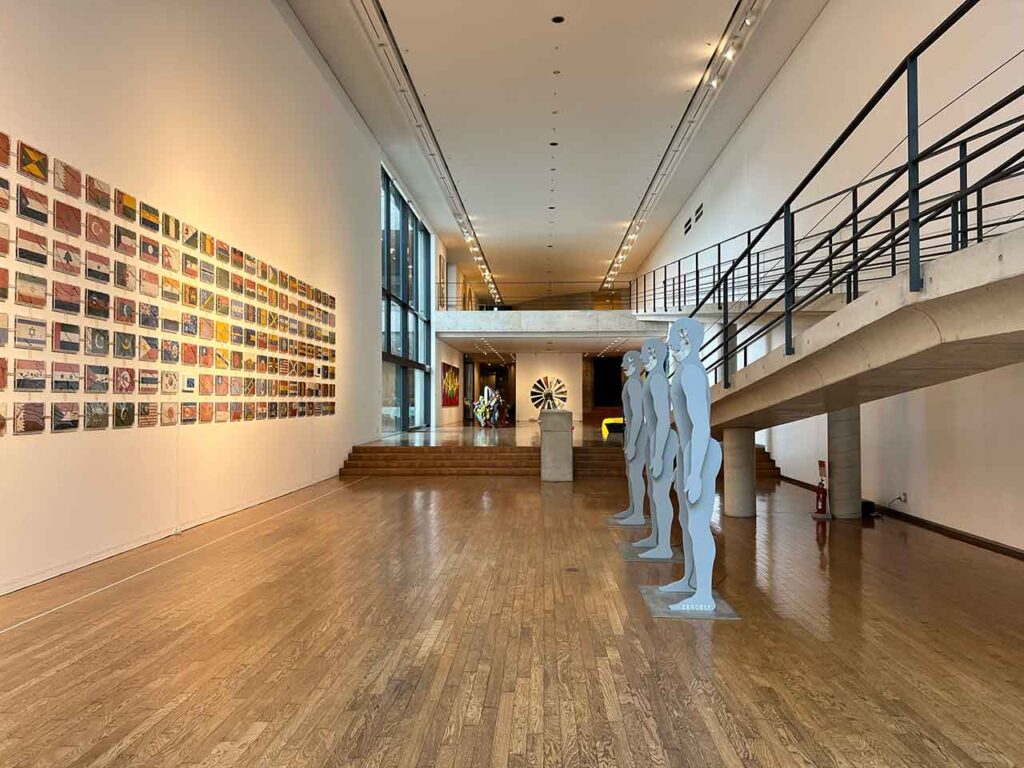
After an interview, I was hired and will be working as a part-time staff member at Benesse House Museum from April. I will be
commuting to Naoshima by ferry every morning.
The museum, the first one designed by Tadao Ando on Naoshima, the calm Seto Inland Sea, the sea breeze --
all of these things felt like the "beginning of a new life," brought about by six months of hard work.
In the next issue, Vol. 4, we will look back on the days we actually worked at the Naoshima Art Museum.
I will talk about my encounters with foreign tourists, what I learned at the contemporary art scene, and the new perspectives I saw by actually using English.

comment