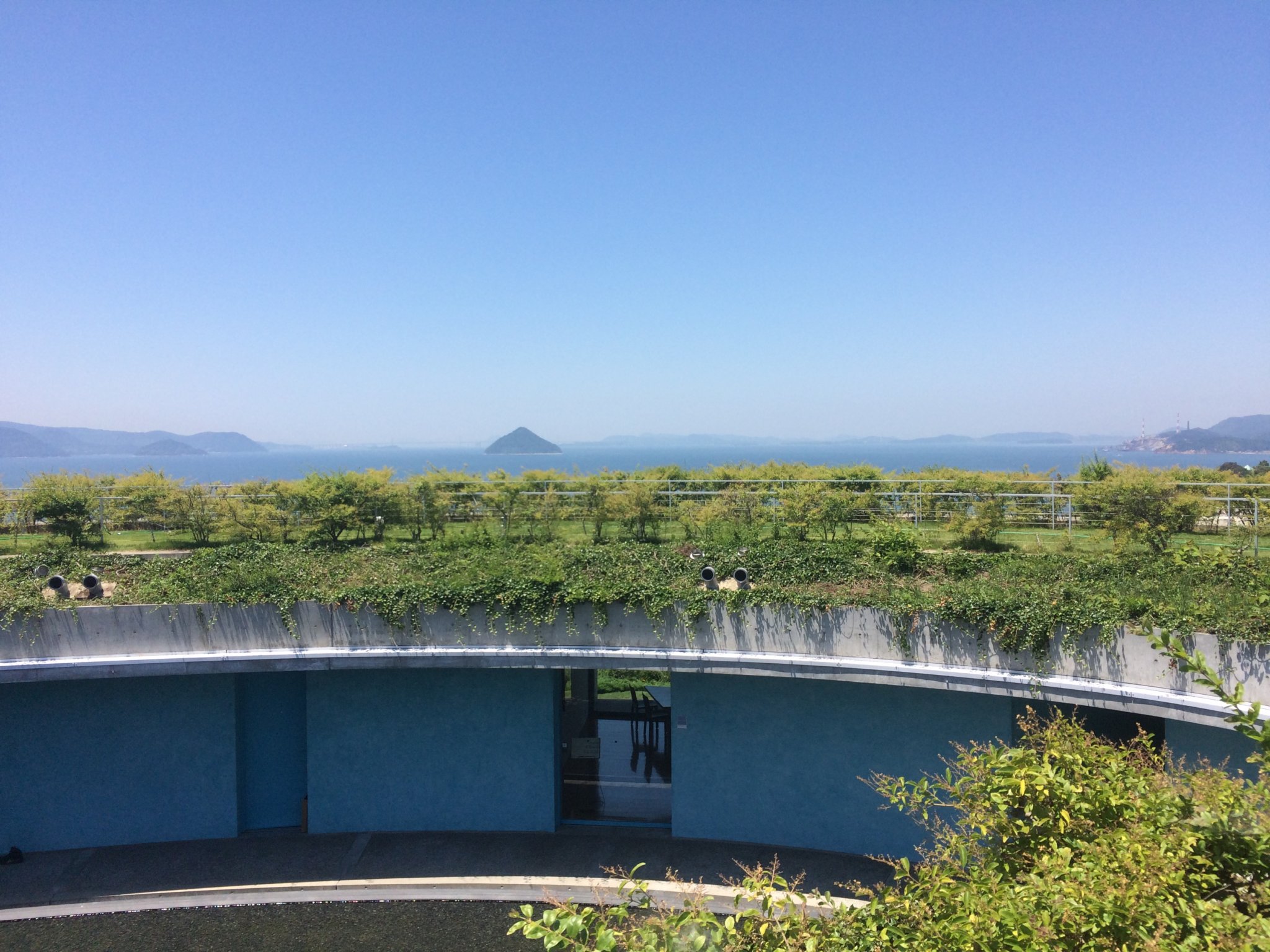
A small island visited by people from all over the world
In the spring of 2017, I started working at the Benesse House Museum on Naoshima Island in Kagawa Prefecture.
This museum was designed by the world-renowned architect Tadao Ando, and is a unique space that combines a hotel and a museum.
Even back then, it was already attracting many tourists from all over the world, and had an international atmosphere reminiscent of a Mediterranean resort.
My main duties were monitoring the artworks, cleaning the museum, simple maintenance of the artworks, and selling tickets.
Of all the duties, it was selling tickets that gave me the most opportunities to converse with foreigners.
Here, I conversed in English with people from several countries every day.
Visitors from all over the world
What surprised me when I started visiting Naoshima was its diversity.
In addition to contemporary art centers such as the United States and France, visitors also came from countries like Slovenia, Colombia, and Argentina.
One day there was a group tour from Russia, and another day there was a turban-wearing VIP from the Middle East. I
never imagined that this small island would be so connected to the world.
Apparently, some of the hotel's guests have been internationally renowned.
I was quietly moved when I learned that such a grand space existed in my hometown of Kagawa Prefecture.
The first hurdle in serving customers in English
That said, I wasn't able to understand English smoothly from the start.
For example, the Benesse House Museum has a hotel building called "Oval."
This "Oval" is a special accommodation area that can be reached by cable car up the mountain, but at the time I couldn't understand how to pronounce it.
Many foreigners ask, "Where is the Oval?", but to me it sounds like "O-bo" or "O-vo," so I have to ask them to repeat themselves several times.
(Note: "Oval" is an English word meaning oval, and is the name of the accommodation facility within Benesse House.)
However, by communicating in English every day, my ears gradually became accustomed to it and I was able to respond reflexively.
Rather than just learning English, I felt like I was living in English
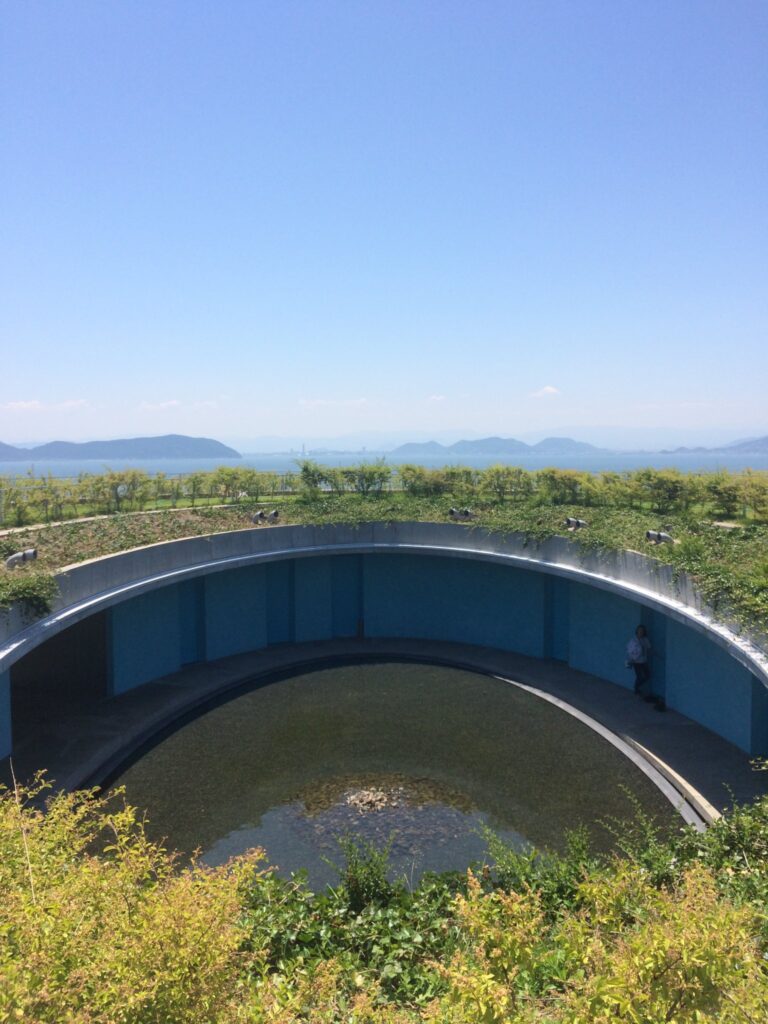
Enchanted by contemporary art
My initial goal in working in Naoshima was to "practice English."
However, I gradually became strongly attracted to contemporary art itself.
As I saw the works every day, I became interested in the artists' thoughts and creative backgrounds.
"What does this work represent?"
"Why this material?"
"What is the significance of exhibiting it in this space?"
The more I researched, the more I became fascinated by the profound questions that contemporary art poses.
One day, I asked my boss if I could be a guide for museum tours.
Museum tour guide
At the time, the Benesse House Museum offered museum tours in both Japanese and English every day from 5:00 PM.
Of course, my English skills were not good enough for me to be in charge of the English tour, but I was given the opportunity to guide the Japanese tour.
The number of visitors varied from day to day, ranging from 20 to 30 people.
I was used to speaking in front of people, so I felt more excited than nervous.
I had a great time walking around the museum, explaining the background of the works and conveying the artists' intentions.
I was really happy when I received positive feedback from the customers in the survey after the tour. I
still treasure that survey.
During the tour,
we could sense the deep affection our tour guide had for the artworks at Benesse House Museum. He spoke with such liveliness that we were excited to listen to him.
(From a survey completed by a guest who stayed at the museum in March 2018)
(There are so many stories about contemporary art that I can't even begin to tell you about them all. I'll write about them in detail in a separate article at a later date.
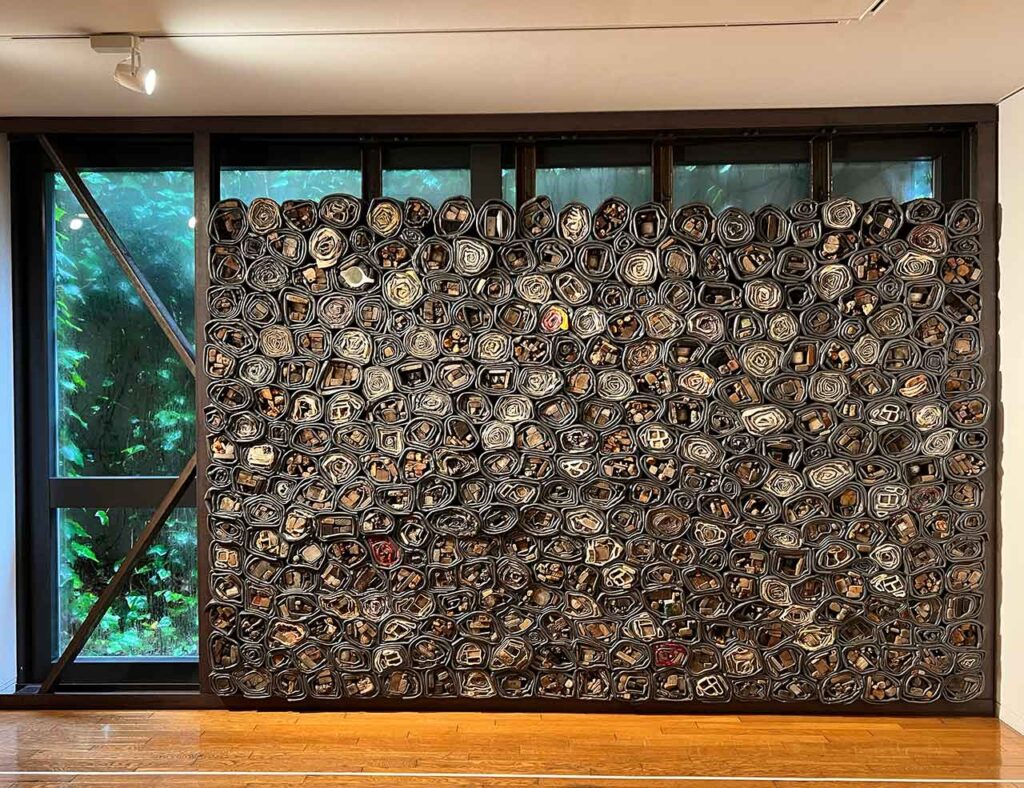
Transfer and the next step
However, turning points come in every workplace.
I was having trouble with interpersonal relationships, so my boss decided to transfer me. I
was transferred to the Art House Project in the Honmura area of Naoshima.
At the time, I didn't realize I had been "transferred," and instead took it positively as a new experience.
In Motomura, I often dealt with new artworks and historical buildings, which broadened my knowledge.
At the same time, I was also in charge of museum tours, so I was satisfied with my work.
However, as I guided overseas customers every day, I began to feel like I was speaking the same English every day. The lines I used to guide people became a pattern, and the stimulation started to fade.
Once again, to the outside world
Around that time, I was once again experiencing interpersonal problems, and I began to think about changing jobs. I
had already worked in Tokyo. There was no better place to work in my hometown than Naoshima. As I thought this, I heard a small voice deep in my heart.
"You only live once. Try working abroad."
Perhaps the reason I learned English and my experiences interacting with people from all over the world were all for this purpose.
I searched for companies that offered overseas work on a job search site and applied to a foreign company in Malaysia that I found. A few days later, I received a notice that I had passed the document screening. I
was really surprised because I never thought I would be hired by an overseas company.
After that, I went through a phone interview and officially received a job offer,
and now it's time to start preparing to travel to Malaysia.
In the next issue, Vol. 5, I will write about my new life in Malaysia, especially the difficulties I faced when moving to Malaysia (lifestyle section).


comment