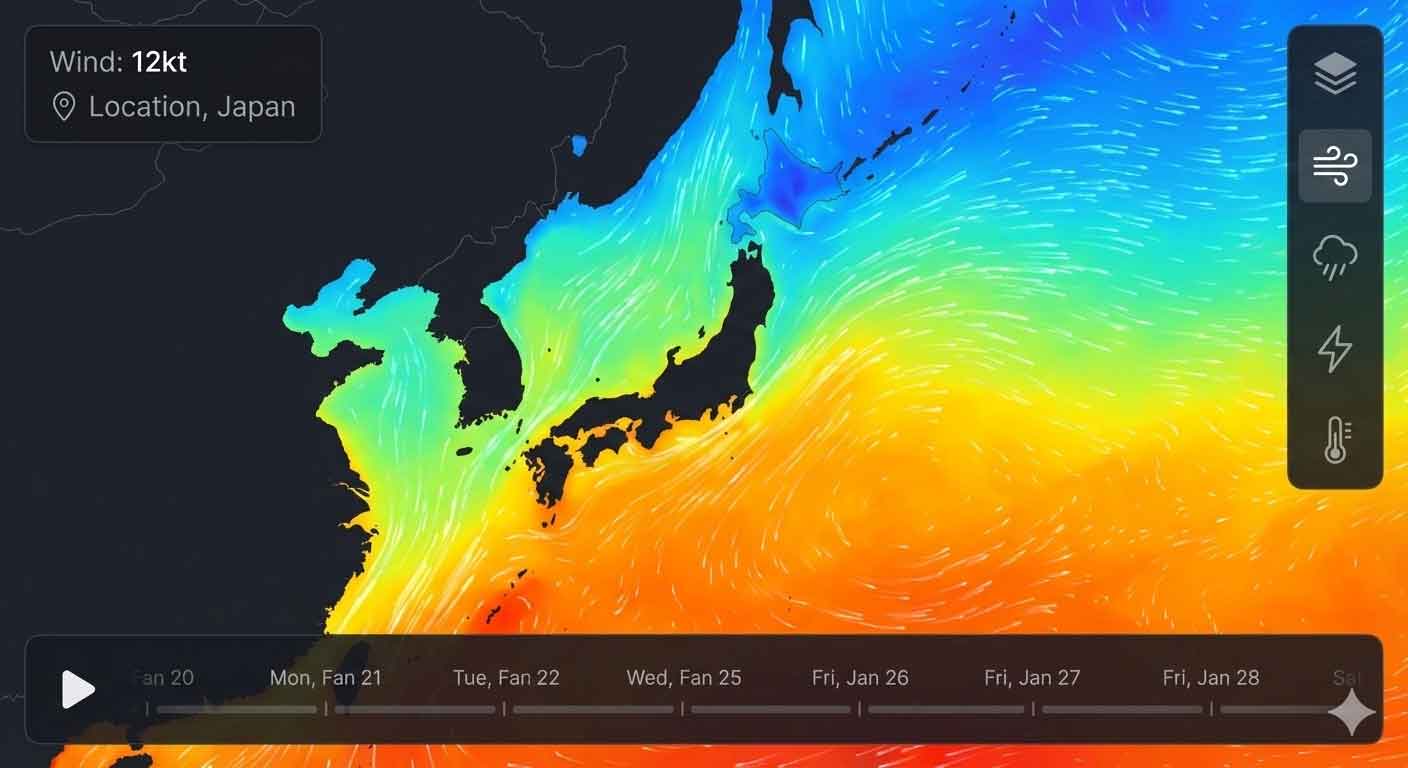
Kagawa Prefecture is known as one of the least rainy areas in Japan. Its annual rainfall is about half the national average, and because it is blocked by the Shikoku Mountains, even heavy rain often does not reach the prefecture.
Therefore, Kagawa Prefecture boasts the largest number ofreservoirsJapan. These are a legacy of practical wisdom built by our ancestors who suffered from repeated water shortages.
Kukai and the prayers placed in Mannoike Pond
Located in the center of Kagawa Prefecture, Mannoike Pond is one of the largest irrigation reservoirs in Japan. Its history dates back to the 8th century. The pond had repeatedly burst its banks, but it was repaired by Kobo Daishi Kukai.
At the time, Kukai was a young monk who had just returned from Tang China, bringing with him the latest civil engineering technology. Under his design and direction, Mannoike Pond was rebuilt in 817, and has continued to support agriculture in Kagawa Prefecture for over 1,200 years. Even today, the Reservoir Festival is held every spring, and local people continue to tell the story of his great achievement.
Chasing the "sound of rain" on dry land
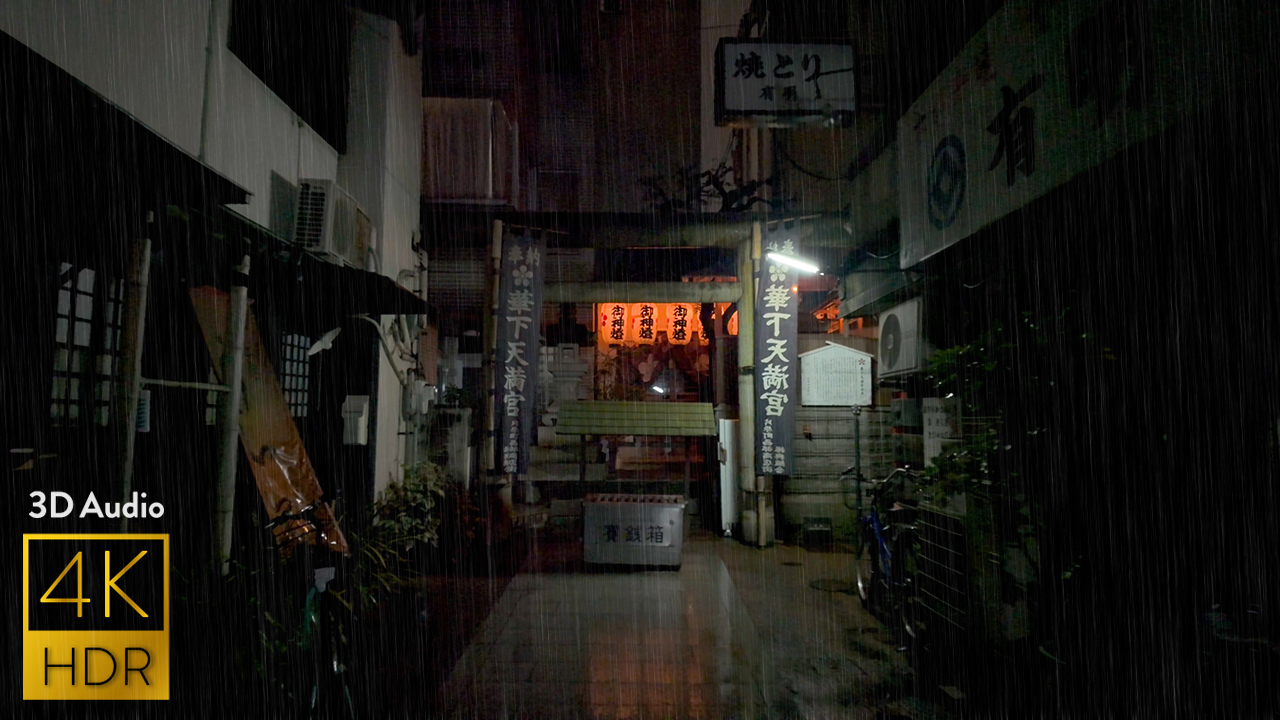
In this region with little rain, I run a YouTube channel called " Setouchi Ambience " that focuses on the sound of rain . Living in Kagawa, rainy days are a very precious opportunity for filming. That's why I'm sensitive to even the sound of a single raindrop
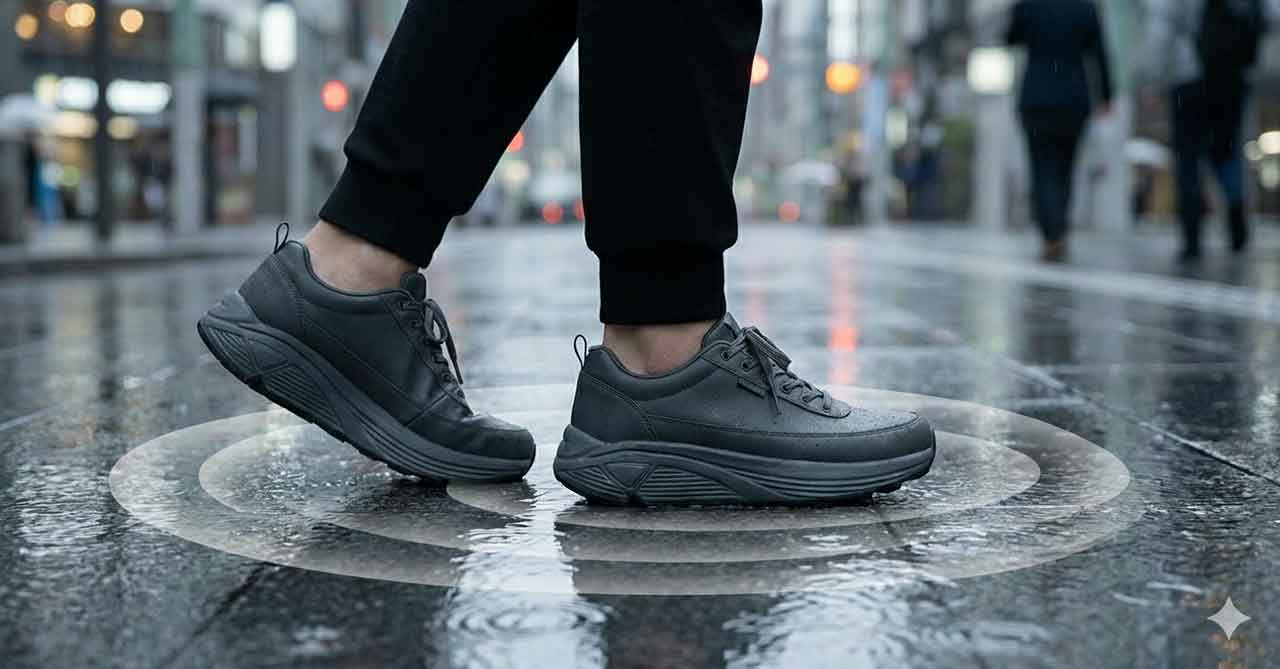
Unlike other regions, we rarely experience heavy rain. That's why Iplaces where even light rain can produce rich sounds. For this video, I deliberately recorded while walking through narrow alleys. Corrugated iron roofs, asphalt, cobblestones, drainage ditches—the different materials each produce different sounds, resonating like a small orchestra.
A small rain creates a big world
Even light rain sounds surprisingly three-dimensional when heard through a microphone. The rhythm of raindrops falling on a tin roof, the sound of water flowing through a drainpipe. The sounds born at the boundary between man-made and natural objects teach us about the "quiet beauty" that lies hidden in everyday life.
The rain in Kagawa is short and quiet. However, in that silence, you can sense the layers of time that people and nature have lived together. We encourage you to take a moment to listen to the sounds along with the video. Just a few minutes of the rain will surely calm your mind.